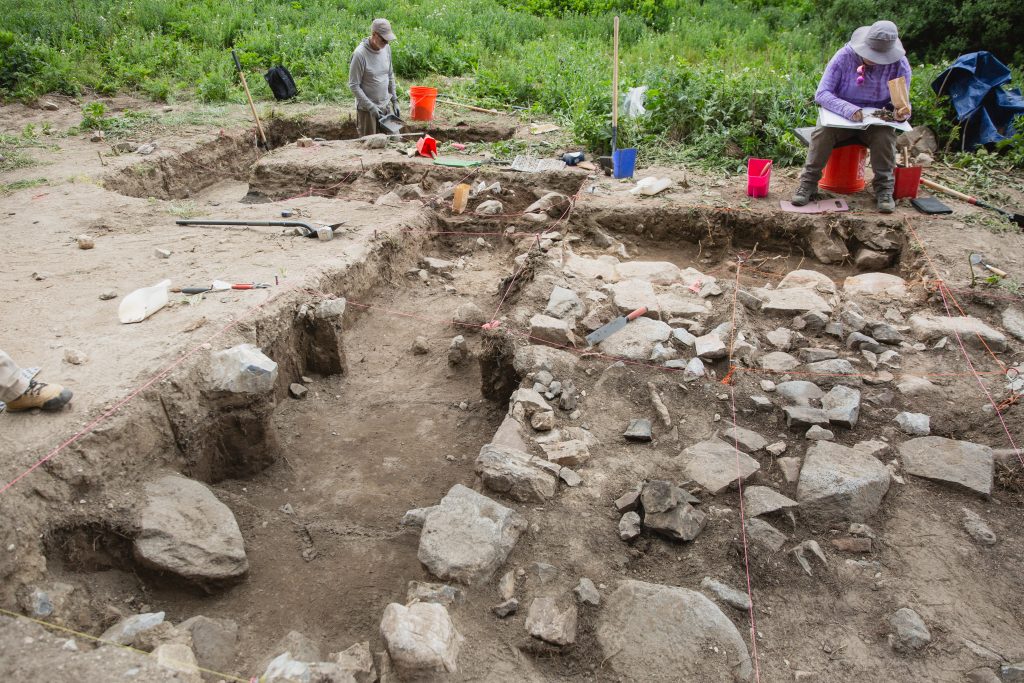
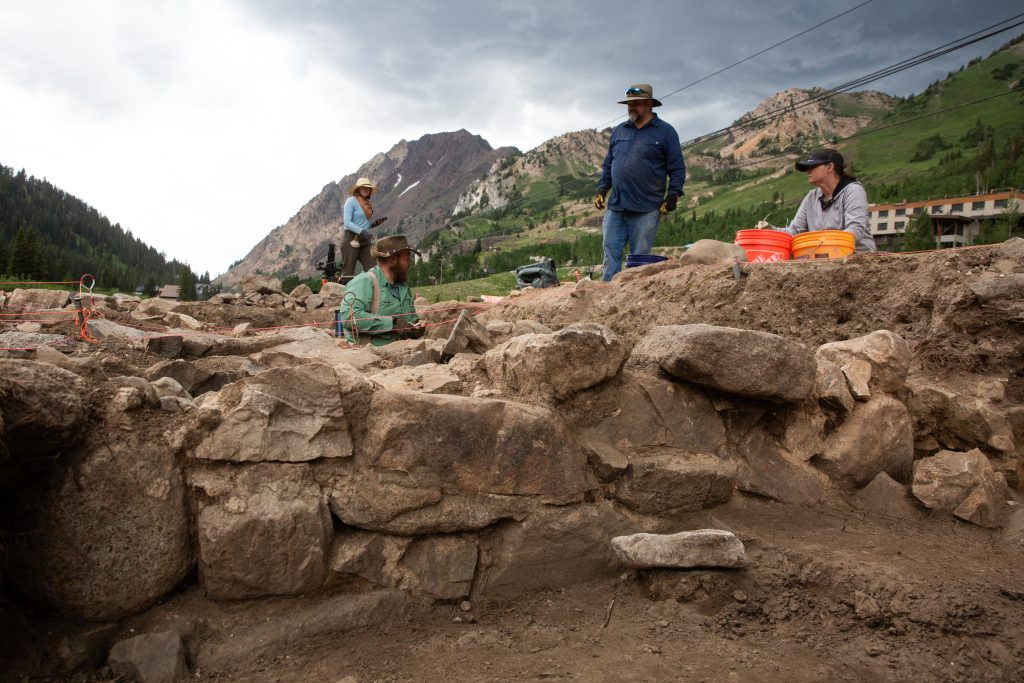
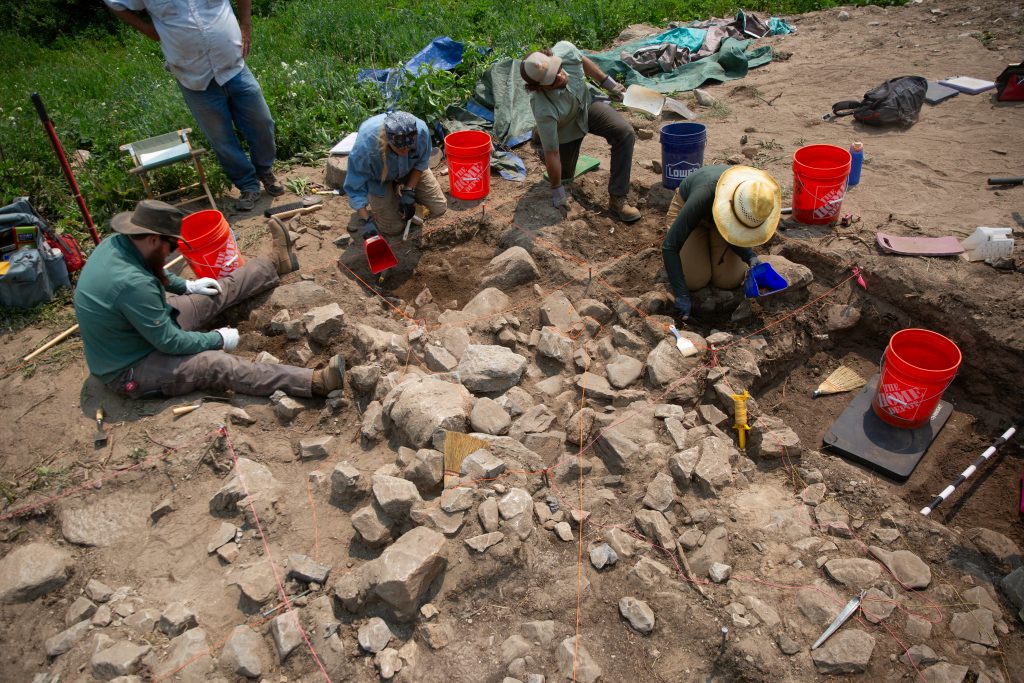
On June 22–26, 2026, archaeologists returned to Alta to continue investigating a historic mining-era building discovered during construction work last year at Alta Ski Area.
According to lead archaeologist Christopher Merritt, the project began in 2025 when crews installing snowmaking pipes and a waterline for Alta Ski Lifts uncovered the front portion of a previously unknown historic structure. The building is located along old Water Street, an area of Alta that has far less documented history than nearby Walker Street, which appears frequently in historic photographs and records.
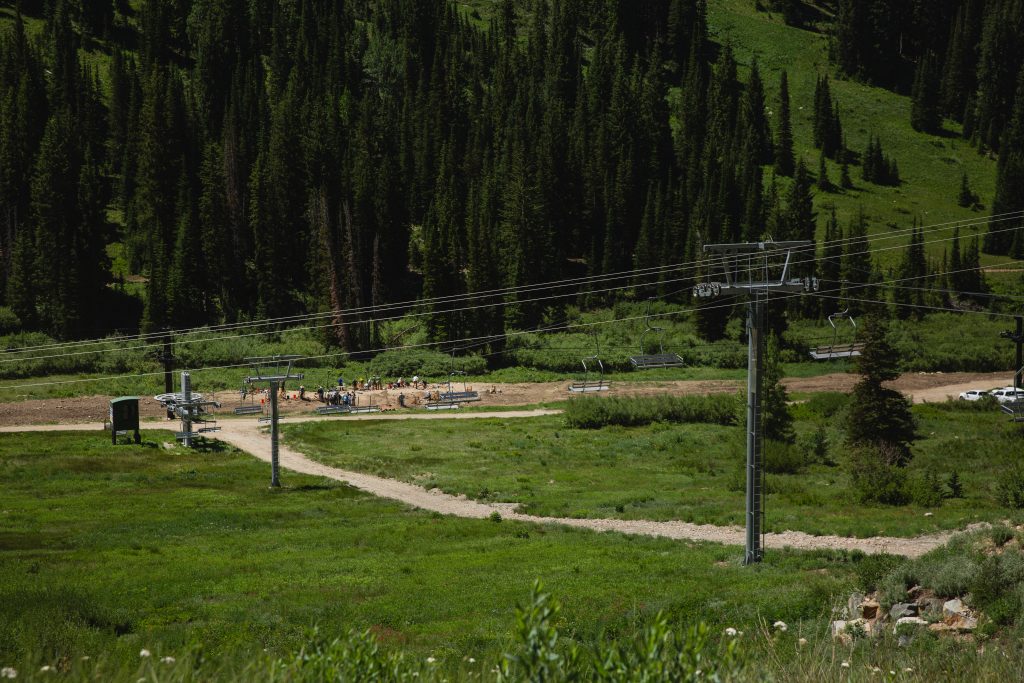
Dig site along old Water Street
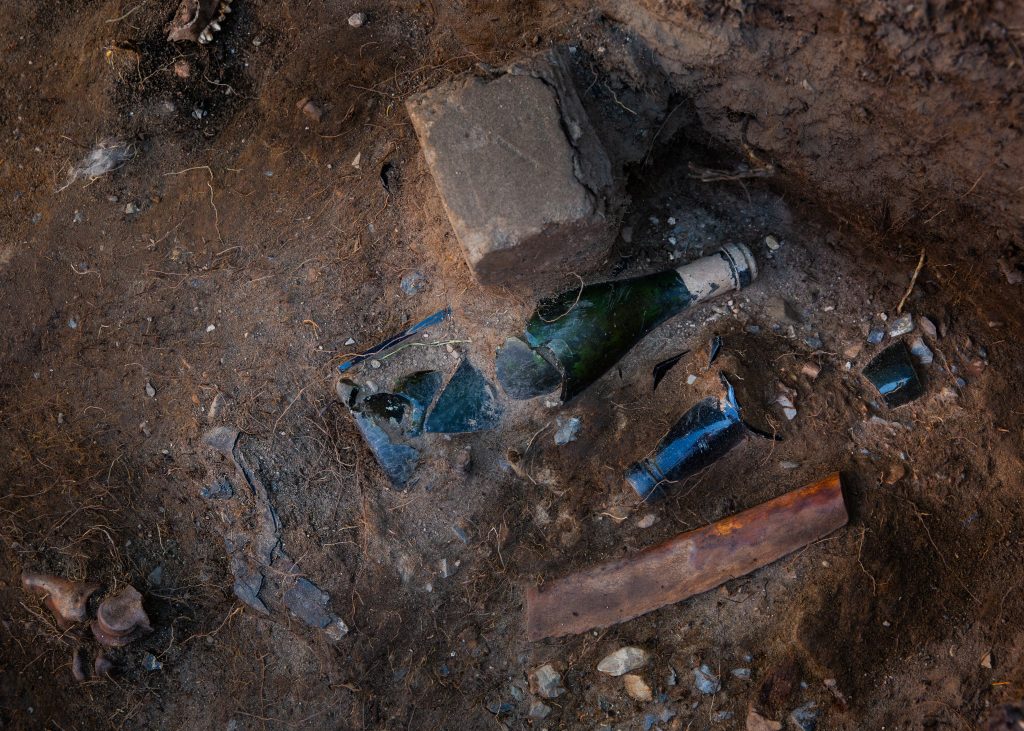
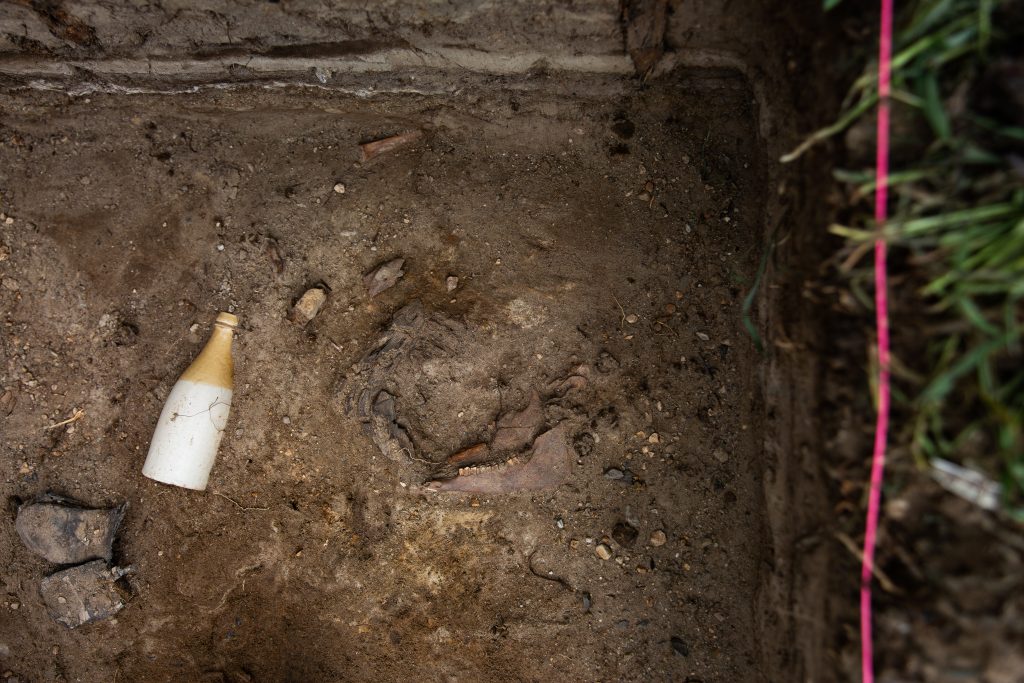
Bones and Glass
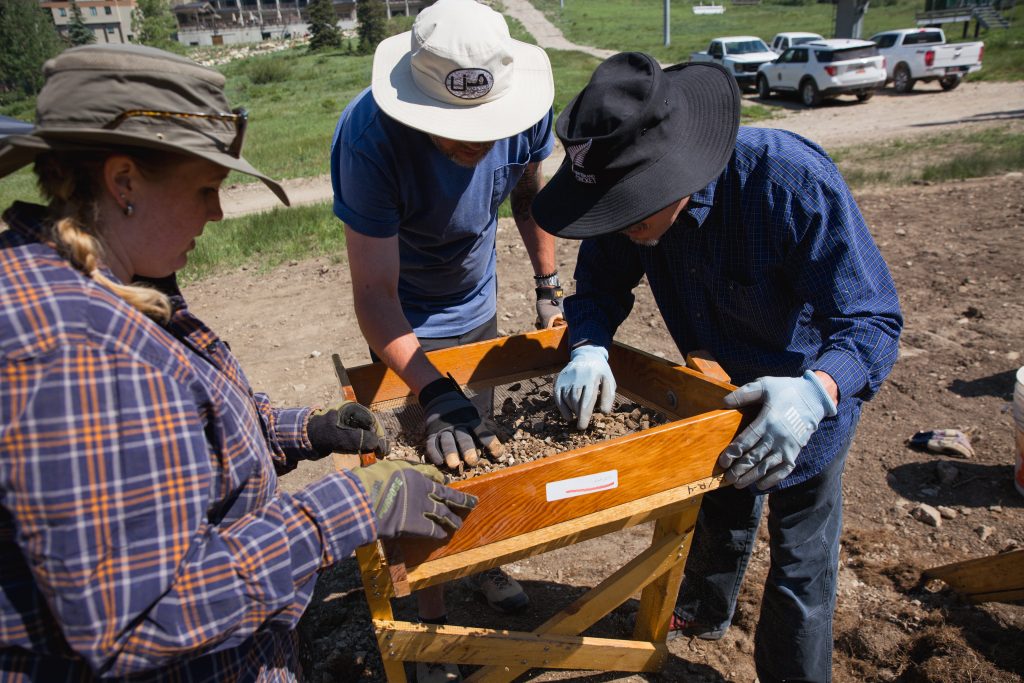
Every inch of dirt is sifted and sorted
The goal of this year’s excavation was to learn more about the building and the people who once occupied it. Was it a restaurant, a theater, a business, or something else entirely? Archaeologists hope the artifacts left behind will help tell its story.
A second excavation site on Water Street is also drawing interest. Soil samples recovered last year contained traces of lye soap—a cleaning product made from animal fats and potash that was commonly used to remove stubborn grease and dirt. The discovery suggests the site may have once been home to a laundry or washhouse.
The dig site along Alta’s rope tow
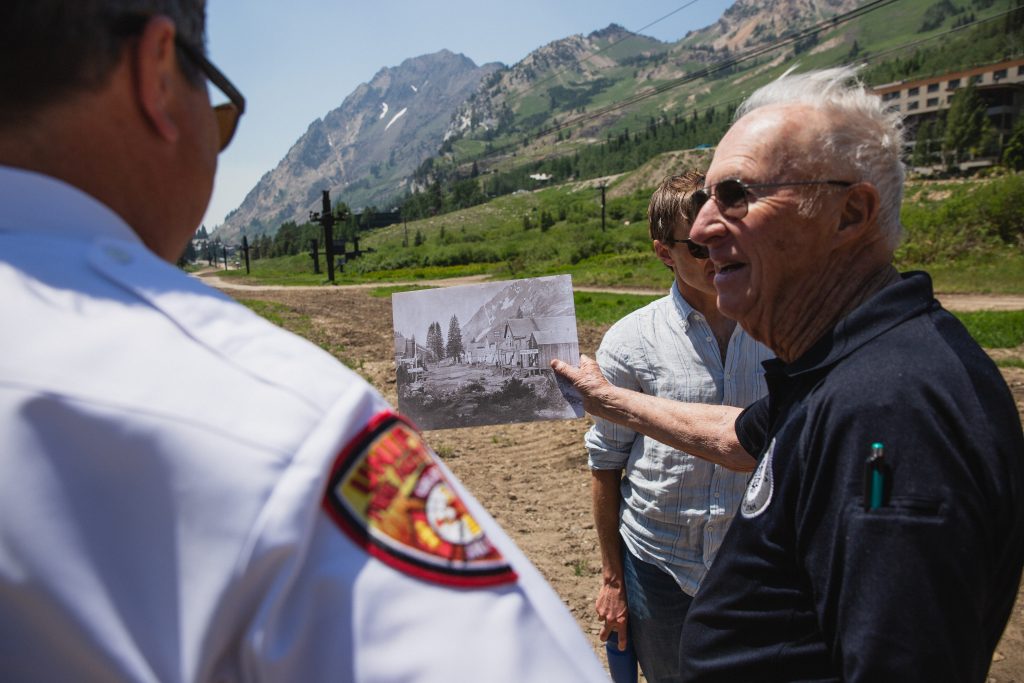
Mayor Bourke showing old pictures of Alta
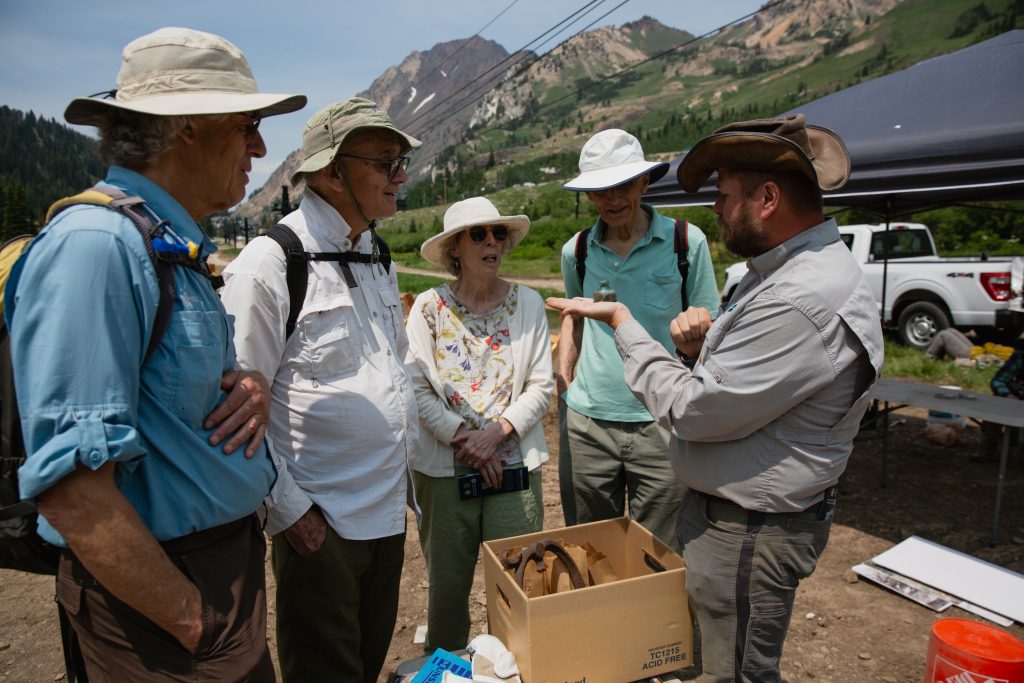
Archaeologist Chris Merritt explaining the findings to Alta visitors
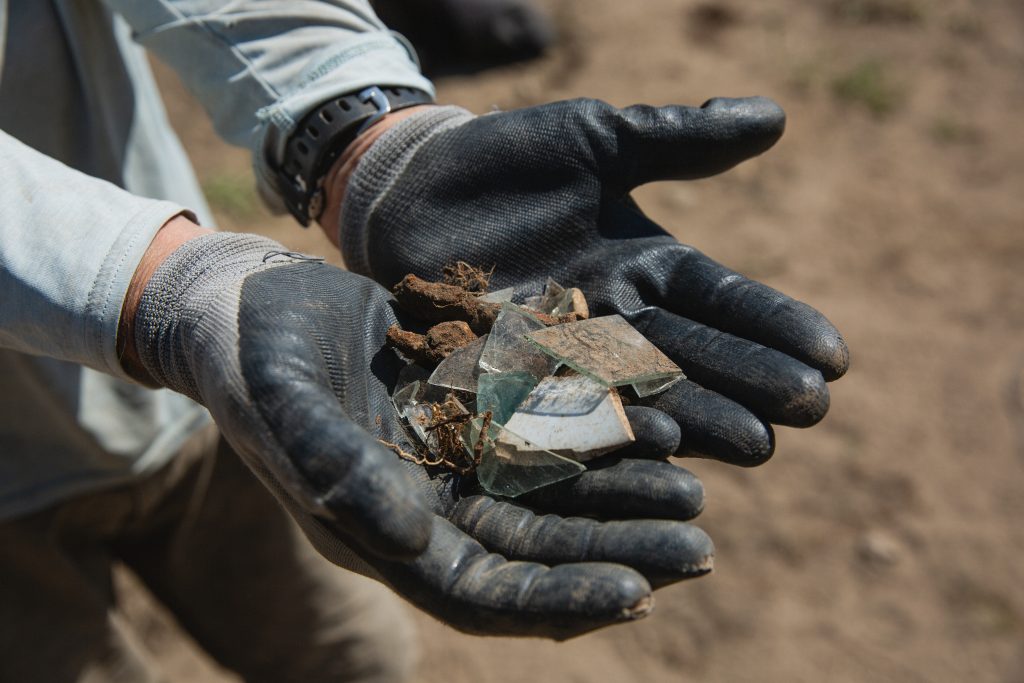
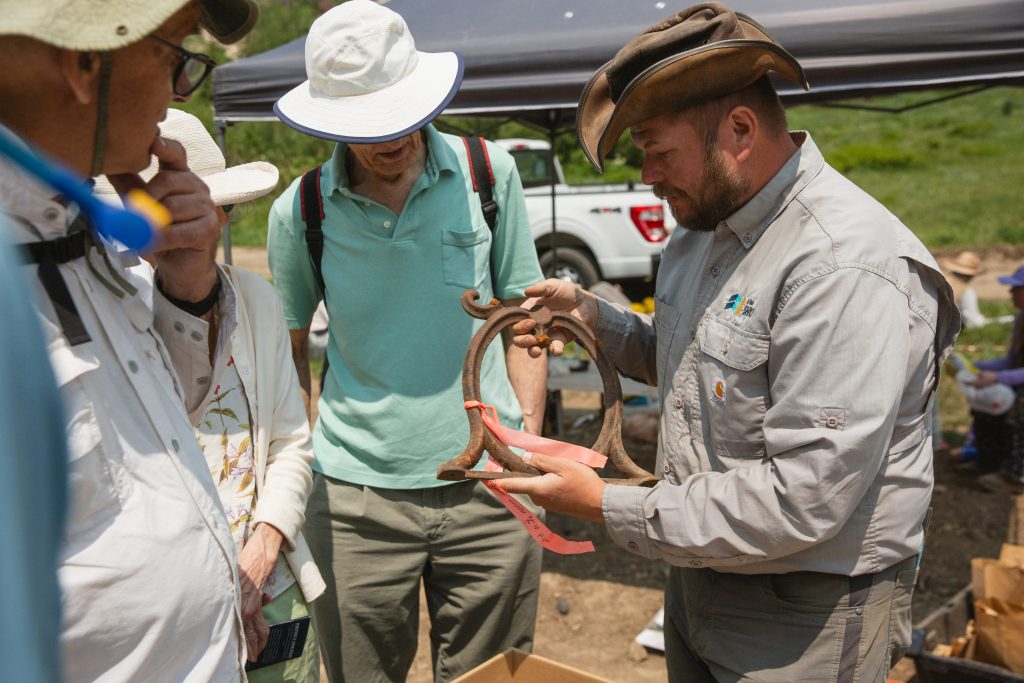
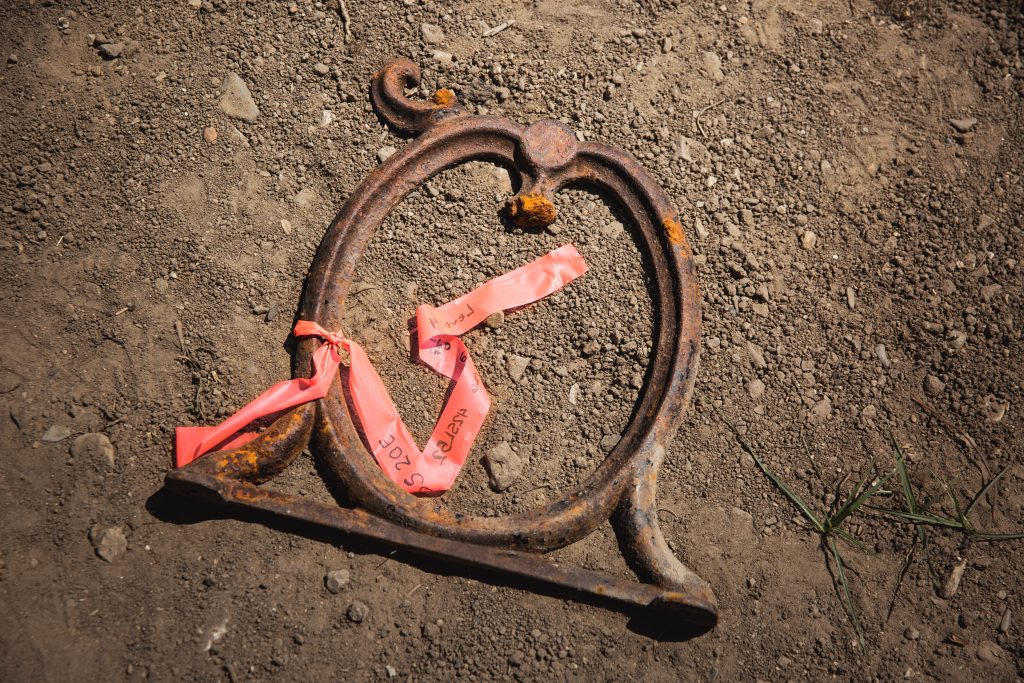
Among the artifacts uncovered were a 1854 silver dollar, a personal glass ink bottle, and a toothbrush bearing the word “London.” Some of Merritt’s favorite discoveries, however, are items that reveal more about daily life in Alta. One such artifact is a cast-iron seat that may have come from a schoolhouse or perhaps an opera house theater. Another is a handmade brick, smooth on one side and rough on the other, likely produced by a brick maker in the Salt Lake Valley. Artifacts like these provide valuable clues about how Alta’s early residents lived and built their community.
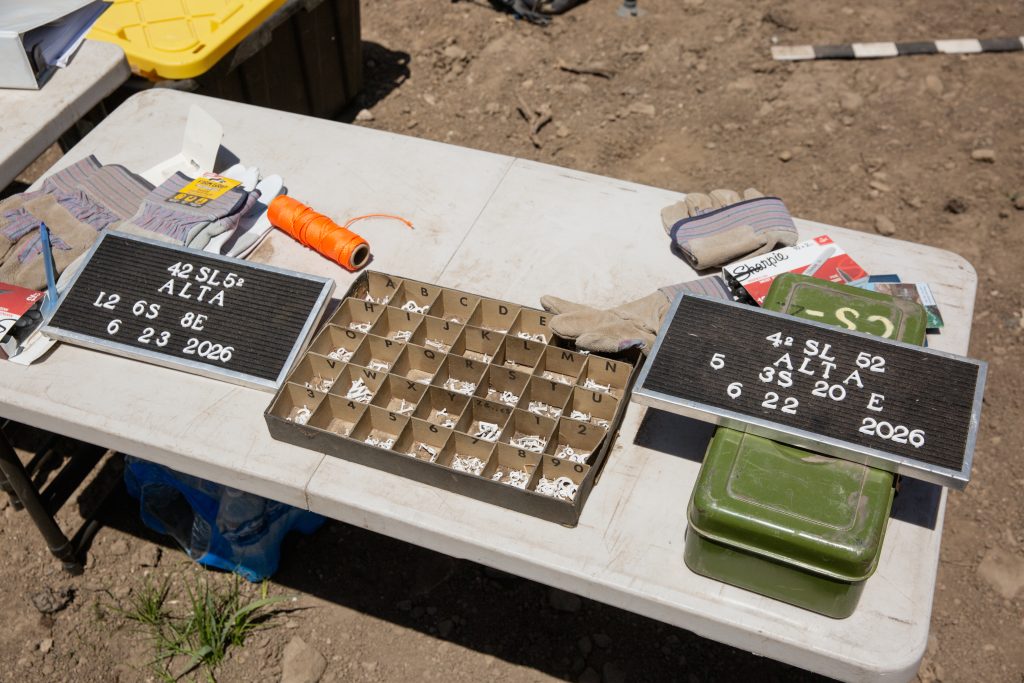
Because the excavation is taking place on federal land, all recovered artifacts are protected under federal law. Each item is carefully cataloged, bagged, and labeled with its site number, location, date, soil information, and other relevant details before being transported to Salt Lake City for documentation and preservation. While many artifacts will be stored for future research, some may eventually be displayed in local museums.
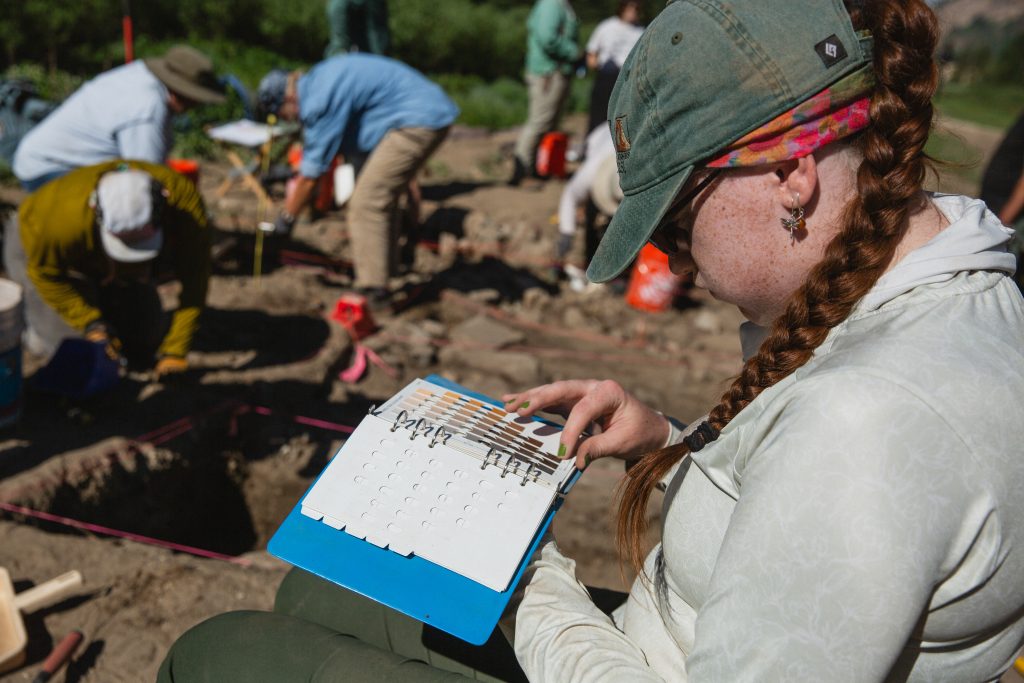
Comparing soil types
Documenting the site number and location
Cast iron seat
Stoneware bottle for beer or ale and a mandible
Alta visitors should also keep an eye out for displays at the new Albion Grill in the coming year, where select artifacts from Alta’s rich mining history may be showcased.
For more information about the archaeological dig please visit Utah State Historic Preservation Office story map here https://arcg.is/0ffiDK0