
Board Emeritus

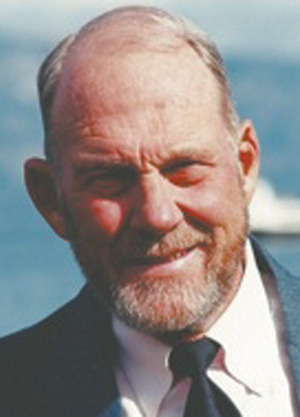
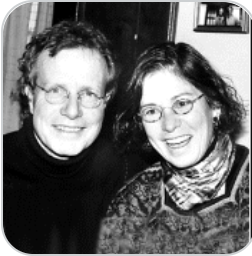
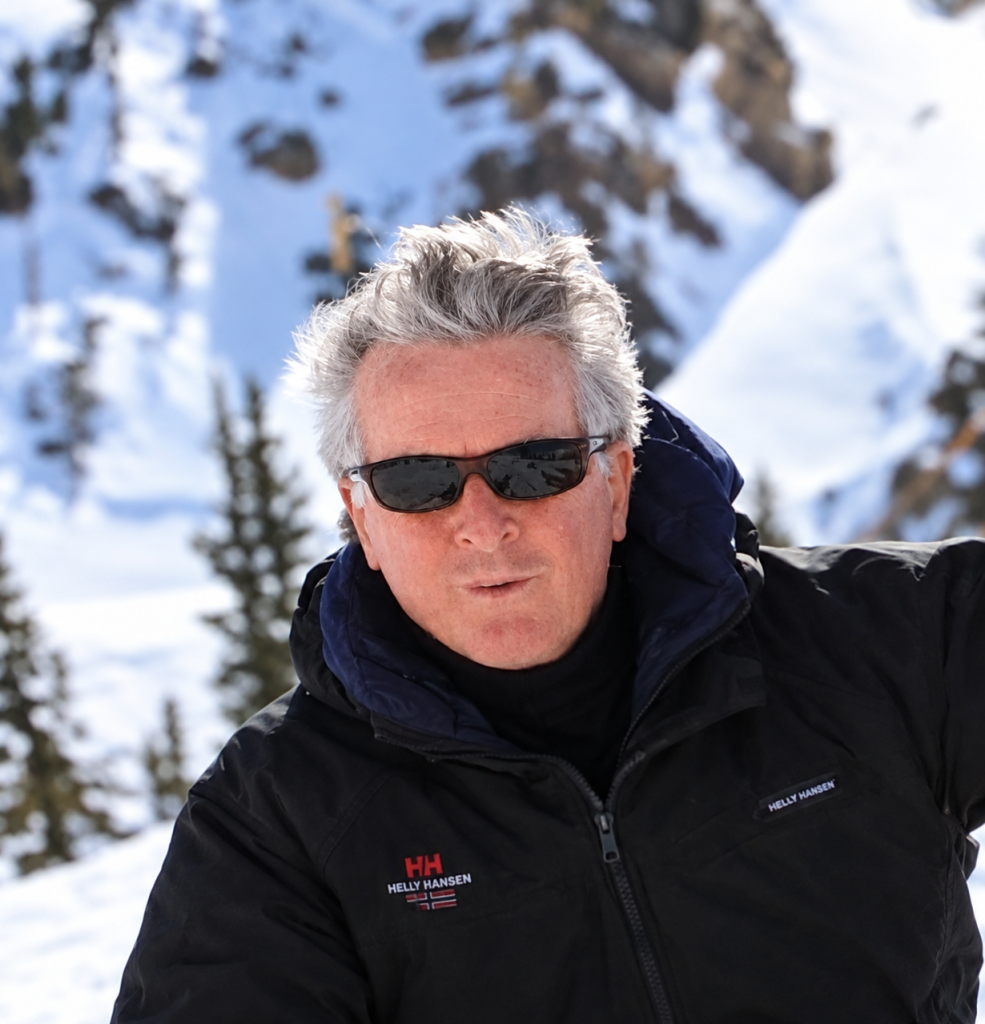
Alan Engen

A recognized ski historian, Alan authored the award-winning book, For the Love of Skiing – A Visual History, and co-authored FIRST TRACKS – A Century of Skiing in Utah. He is Chairman Emeritus of the Alf Engen Ski Museum Foundation; a member of the board of directors for the U.S. Ski Hall of Fame and Museum; and a charter advisory member of the University of Utah Marriott Library, Utah Ski Archives.

Alta has been Alan’s skiing home since 1948 and he is currently Alta’s Director of Skiing. A winner of numerous alpine and nordic ski competitions, Alan was named one of the “Legends of Utah Skiing” and is an inductee of the Utah Sports Hall of Fame, the U.S. National Ski Hall of Fame, and the University of Utah Crimson Club Athletes Hall of Fame.
Dr. Andrew Joseph Arave
1957-2012

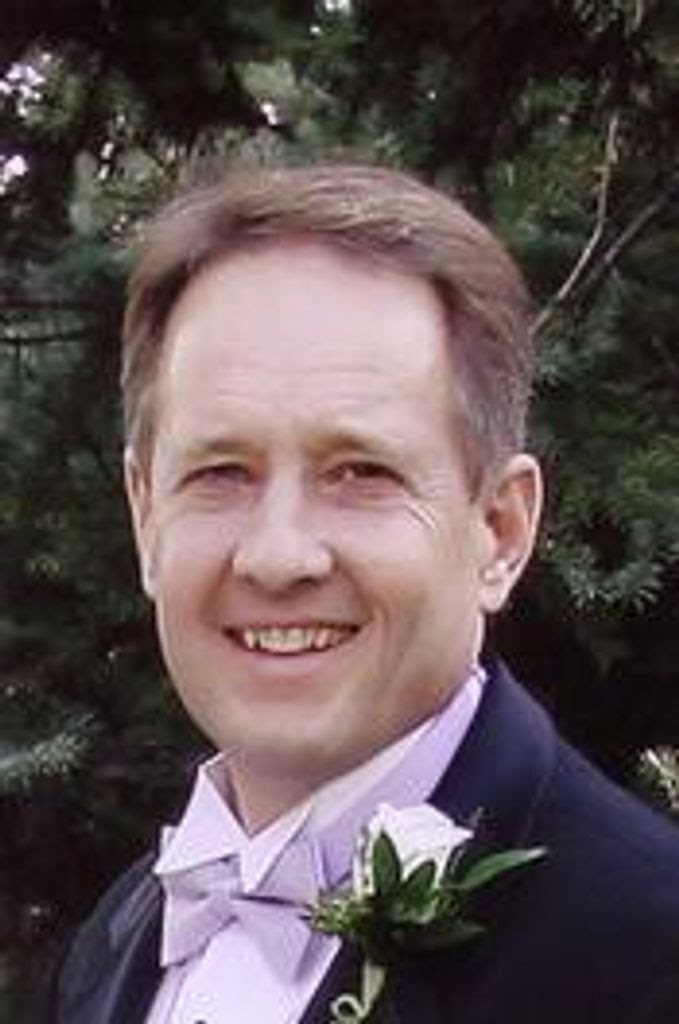
Dr. Andrew Joseph “Joe” Arave was a devoted historian, educator, outdoorsman, and passionate advocate for preserving the history of skiing in Utah. Born April 18, 1957, in Richmond, Virginia, Joe moved to Utah after serving an LDS mission and eventually earned degrees from Weber State University, Brigham Young University, and the University of Utah. He became a professor in the University of Utah’s Department of Parks, Recreation and Tourism, where he shared his deep appreciation for the outdoors with generations of students. His love of skiing and Utah’s mountains led him to become one of the foremost historians of skiing in the Intermountain West. Beginning in the late 1980s, he played an important role in developing the Utah Ski Archives at the University of Utah’s Marriott Library and personally recorded oral histories with many of the people who shaped Utah skiing. Among those he interviewed were Alta ski pioneers and longtime Alta Ski Patrol members, preserving firsthand stories that might otherwise have been lost to time.

Joe’s commitment to Alta’s history was also deeply personal. When the Alta Historical Society was revived in 1994 to preserve and promote Alta’s remarkable heritage, Joe was among the original members of the newly reorganized society, and he later served as its Vice President. He also served on the board of the International Ski History Association and was a founding board member of the Alf Engen Ski Museum Foundation, helping to preserve the broader history of skiing throughout the Intermountain West. Through his research, writing, photographs, and extensive oral-history work, Joe helped ensure that the stories of Alta’s miners-turned-skiers, pioneers, patrollers, racers, and early ski enthusiasts would endure. He passed away on March 8, 2012, at the age of 54, but the historical record he helped create continues to educate and inspire those who care about Alta, skiing, and the remarkable history of the Wasatch Mountains.


If you would like to see some of Dr. Joe Arave’s work click here https://collections.lib.utah.edu/ and search “Interview by Joe Arave”

George Ator

George has an eclectic background as a consumer behaviorist, a professional speaker, and an instructor in public speaking, advertising, and marketing research. A certified professional ski instructor at Solitude Mountain Resort, George was named Instructor of the Year in 2003 at Solitude by the Professional Ski Instructors of America (PSIA).

George was also a Mountain Ambassador at Alta Ski Area. George serves on numerous boards including the Alf Engen Ski Museum in Park City, Utah, The Pittsburgh Civic Light Opera, and Life’s Work of Western Pennsylvania.

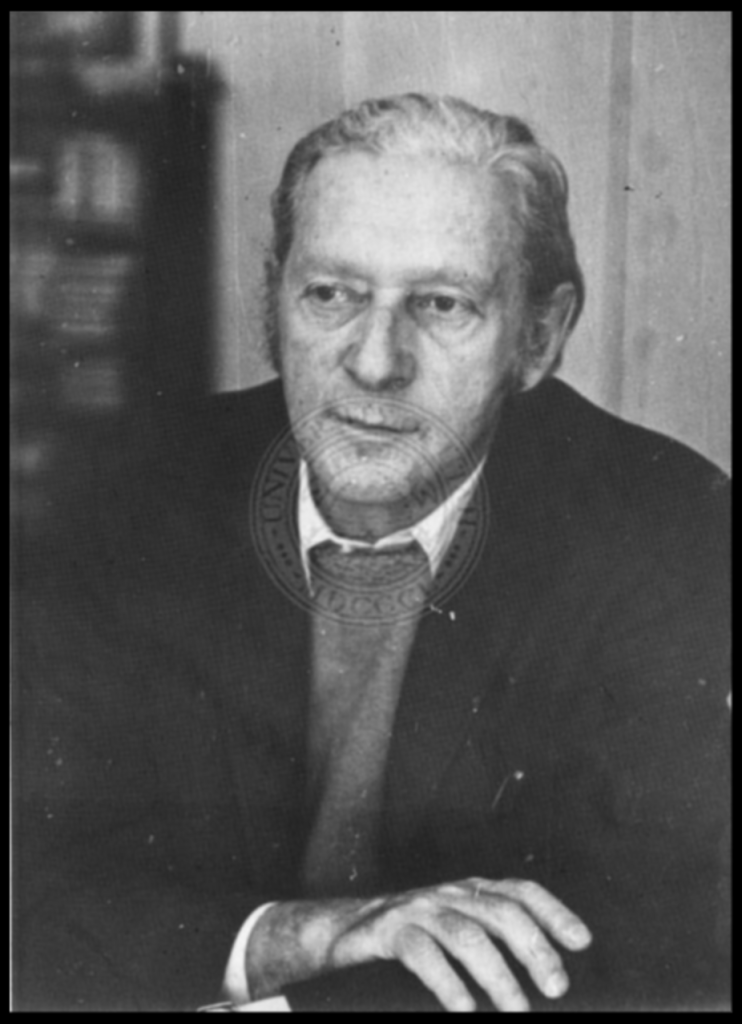
Robert L. "Bob" Autry
1931-2014

Robert L. “Bob” Autry was a significant figure in the development of skiing in the American West and brought decades of experience in ski instruction, racing and ski-area development to the Alta Historical Society. Born in 1931, Autry graduated from the University of Nevada in 1959 with a degree in Physical Education and built a career as a ski instructor, coach and ski-school director. He directed ski schools, organized competitive ski programs and was active in the professional ski-instruction community, eventually serving as chairman of the Ski School Directors Committee. His career included important connections to Utah skiing, including teaching at Alta Ski Resort and serving as Ski School Director at Park West. The University of Utah’s Marriott Library preserves a collection of his papers documenting his work in ski schools and racing, as well as photographs of Autry leading instructors at Park West.

Autry joined the Alta Historical Society during its first year of operation, becoming one of the additional board members who helped expand the organization after its initial 1995 founding group was established. His experience gave the Society a valuable connection to the broader history of skiing in Utah and the West. Beyond instruction and racing, Autry was involved in ski-area development and ski-industry filmmaking, helping document and shape the growth of skiing during a transformative period. Through his participation in the Alta Historical Society, he contributed that firsthand knowledge and perspective to an organization dedicated to preserving Alta’s history as both a mining town and one of the world’s great ski destinations. Bob Autry died on January 13, 2014, leaving behind a career that was closely intertwined with the growth of Western skiing.

Deanna "De" Bourdaghs
1943-2014

De and her husband, Lynn, discovered Alta in 1971 when they set out on a quest to find the best spring skiing after their local hill, Afton Alps in Minnesota, had closed for the season.  For several years, they drove throughout the Pacific Northwest, spring skiing at as many resorts as they could in search of the perfect spring snow.  Eventually, they discovered Little Cottonwood Canyon and decided that Alta and Snowbird offered the best spring skiing they had found.  In 1998, they made Sandy, Utah, their permanent home.

De was a passionate skier and became an important part of the Alta community.  She came up with the idea for the Fireside Chats, a tradition that continues to this day.  Despite having no prior serving experience, she began working at Watson Shelter at Collins Grill and continued until 2009.  De passed away in 2014, but her love of skiing and her contributions to the Alta community continue to be remembered.

Brian K. Jones

Brian is a consulting geologist. He was a ski instructor at the Alf-Engen ski school from 2000 -2020. He is currently an Associate Instructor at the University of Utah where he teaches courses in geology and archaeology. In 2003 he was awarded the Outstanding Full-Time Instructor of the Year Award by the Alf Engen Ski School.In 2020, his article Geology and the Skiing Experience was awarded the Best Article of the Year by the Rocky Mountain Association of Geologists. He was a guest lecturer at Harvard University in 2024.

 He is best known at Alta for skiing backwards into a tree-well while teaching a class of six five-year-old’s, all of whom had colds, on the Crooked Mile.

Brian is a graduate of Stanford University in 1973 and the University of Alaska – Fairbanks in 1976 in geology.

Brian has worked as a geologist all over North and South America, from the Brooks Range of Northern Alaska, to the Atacama Desert of Chile and the Amazon Jungle in Colombia and Bolivia. He lived and worked in Michoacan, Mexico for two years from 2005-2007 and is fluent in Spanish.

Brian is also a writer and musician. He has published four novels, twenty fishing articles, as well as over two dozen scientific articles.

He has also recorded nine cds of original music and his songs have been played on radio stations all across North America. He wrote and recorded the Fur Rendezvous Song for the Anchorage Fur Rendezvous in 1982, which they have used as their theme for over 40 years. The Alta Way cd was released in  2015.

His greatest accomplishment occurred in December of 2025 when he and Barbara celebrated their 50th wedding anniversary (which demonstrates remarkable tolerance on Barbara’s part). He also takes great pride in his three sons, David, Andy and Dylan who have all found their way in the complex world of the 21stcentury.

Brian and Barbara live at the mouth of Little Cottonwood Canyon in Sandy, Utah. His hobbies are music, fly-fishing, mountain climbing, making baseball bats and grandchildren (not necessarily in that order).

William "Bill" Levitt
1917-2009

William Haskell “Bill” Levitt became one of the most influential figures in modern Alta history. Born in Brooklyn, New York, and educated at the University of North Carolina, Levitt had a remarkably varied career before making Alta his home, including work as an agricultural economist, international education director for the UAW-CIO, World War II military service, and filmmaker. He first visited Alta in 1954 after being encouraged to leave Aspen because of poor snow conditions, and he quickly fell in love with the community and its skiing. In 1959, he purchased the Alta Lodge from publisher James Laughlin and, together with his wife, Mimi, made the lodge a central part of Alta’s character and traditions. When Alta incorporated as a town in 1970, Levitt became its first elected mayor in 1972, a position he held until 2005—the longest mayoral tenure in Utah history. During those 34 years, he helped guide Alta from a small, largely undeveloped mountain community into a functioning municipality while working to preserve its distinctive character and natural environment. He was also a founding member and former president of the Utah Ski Association, a longtime instructor with the Alf Engen Ski School, and was inducted into the Utah Tourism Hall of Fame in 1988.

Levitt’s influence extended well beyond municipal government and the Alta Lodge. He and Mimi were deeply involved in efforts to protect Alta’s open spaces and watershed, helping establish the Alta Defense Fund, which became Friends of Alta. His commitment to preserving Alta’s history was equally significant. In 1994, when the Alta Historical Society was revived to promote and preserve Alta’s rich mining and skiing heritage, Mayor Bill Levitt played a leading role in bringing the new organization together under the umbrella of Friends of Alta, with Alan Engen heading the group and early members including Jody Schrontz, Heidi Mosberg, Barbara Dunlea, Dr. Joe Arave, Connie Marshall, and George Ator. The organization was formally chartered as a 501(c)(3) in 1995 under Levitt’s direction. Through the Alta Historical Society, his vision helped ensure that Alta’s photographs, documents, stories, and artifacts would be preserved for future generations. His legacy is therefore closely woven into both the living community of Alta and the effort to document and protect its history.

Heidi Mosberg

Heidi Mosberg was an important member of the Alta community and a dedicated supporter of preserving the town’s remarkable history. When the Alta Historical Society, originally founded in the late 1960s, had become inactive, a new generation of Alta residents and community leaders came together in 1994 to revive the organization and renew its mission of preserving and promoting Alta’s rich mining and skiing heritage. Heidi was among that small group, joining Alan Engen, the late Jody Schrontz, Barbara Dunlea, Dr. Joe Arave, Connie Marshall and George Ator in helping reestablish the Society. Under the leadership of Alta Mayor Bill Levitt, and with the Friends of Alta headed by Mimi Levitt, the reorganized Society regained recognition as a Utah historical organization and obtained federal 501(c)(3) nonprofit status.

Although relatively little biographical information about Heidi Mosberg has survived in readily accessible public records, her place in Alta’s history is significant because she was part of the group that helped ensure the community’s story would continue to be remembered and documented. The Society they helped restore was dedicated not only to Alta’s remarkable transition from a nineteenth-century mining town to one of the world’s great ski destinations, but also to preserving the stories, photographs, artifacts and memories of the people who made that transformation possible. Heidi worked alongside individuals who became important figures in Utah ski history, including ski historian Dr. Joe Arave and Alan Engen, helping establish the foundation for the Alta Historical Society that continues today. Her contribution was therefore part of a larger effort to preserve Alta’s unique heritage for generations to come.

Claire Runge

Originally hailing from a small town in Maryland, Claire first discovered Utah on a college geology trip. After finishing a Masters degree in Geosciences at Princeton University, she migrated to Alta and worked for two winters as a lift operator for the Alta Ski Lift Company.

Claire currently serves as the Assistant Town Administrator for the Town of Alta. When not in the office, you can find her skiing, mountain biking, hiking, and playing soccer.

JoAnne "Jody" Quinney Lawson Shrontz

Born JoAnne Quinney Lawson on August 11, 1947, in Salt Lake City, Jody Shrontz grew up with Alta in her heart and in her family heritage.  The granddaughter of Alta pioneer and Alta Ski Area founder Joe Quinney, she spent her winters skiing at Alta and her summers at Bear Lake.  Jody earned a Master of Fine Arts degree from the University of Denver and spent her life putting her creativity to work through home design, weaving, printmaking, teaching, and volunteer service.  After living in Norway and Massachusetts, she returned to Salt Lake City, where she met and married Duane Shrontz.  They were married in the Albion Basin in September 1985 and together built a life centered on their shared love of Alta, the outdoors, the arts, travel, and their faith.

Jody was much more than a lifelong admirer of Alta.  She served on the Alta Town Council for more than eight years and devoted herself to civic and community causes throughout Utah.  She was an active docent and volunteer with the Utah Museum of Fine Arts and worked with children through arts education programs, including Guadalupe School.  Jody and Duane later became active members of the Santa Fe arts community, while continuing to regard Utah and Alta as their true home.  Together they designed and built their dream home in the Albion Basin.  Through her family heritage, public service, artistic contributions, and devotion to the Alta community, Jody left a lasting legacy as a woman who connected Alta’s past with its continuing story.

Bill Shorter

In 1962, Bill got a job at the Alta Lodge, earning $50 a month.  The position included free room and board, as well as free skiing in exchange for shoveling snow.  Hired as a handyman, his responsibilities included gathering wood, building fires, and keeping the lodge running.  Chic Morton took Bill under his wing and treated him like a son, and over time, Bill worked his way up from handyman to assistant manager and eventually manager of the Alta Lodge.

Today, at 86 years old, Bill still skis at Alta.  The beauty of Little Cottonwood Canyon has kept him here all these years and continues to inspire his love of skiing.  What began as a job in 1962 became a lifelong connection to Alta, the mountains, and the community.

Thomas "Tom" Walker

Thomas (Tom) Walker’s Alta history dates back to the late 1950s/early 60s, when his father, Neef Walker, worked as part time ski patrol and would take his boys (there were 4) to spend his patrolling days skiing on the complimentary Alta Lodge rope tow hill.  In those early days, Ted and Wilma Johnson were Alta employees running the Watson Shelter, which then was situated a short distance west of the old Germania lift’s bottom terminal.  When Ted and Wilma left the Watson so that Ted could pursue backing to develop his brainchild, Snowbird, Neef approached area manager Chic Morton and proposed that he and wife Shirlee take over the Watson, but as owners of the business leasing the building.  Chic agreed and so began the continuation, in 1965, of Tom’s alternatively full time/part time relationship with Alta.  With that transition came novelties, such as the 1970/71 season, when the Walker family lived year round at the ‘on-mountain’ Alpenglow Inn (now Alf’s Place), making it necessary on school days to ski down to the Goldminer’s Daughter, dig out the car if it was buried, and drive down Little Cottonwood Canyon to school, then back up after school to catch a Sunnyside lift ride home.

Although Tom is able to spend somewhat less time at Alta these days, he still considers it his ancestral home and expects it to be his ashes’ final resting place when the time comes.